The Post-Drop Mirror: When Your Fit Pic Starts Doing the Buying
Photo: Disabled And Here, CC BY 4.0, via Wikimedia Commons
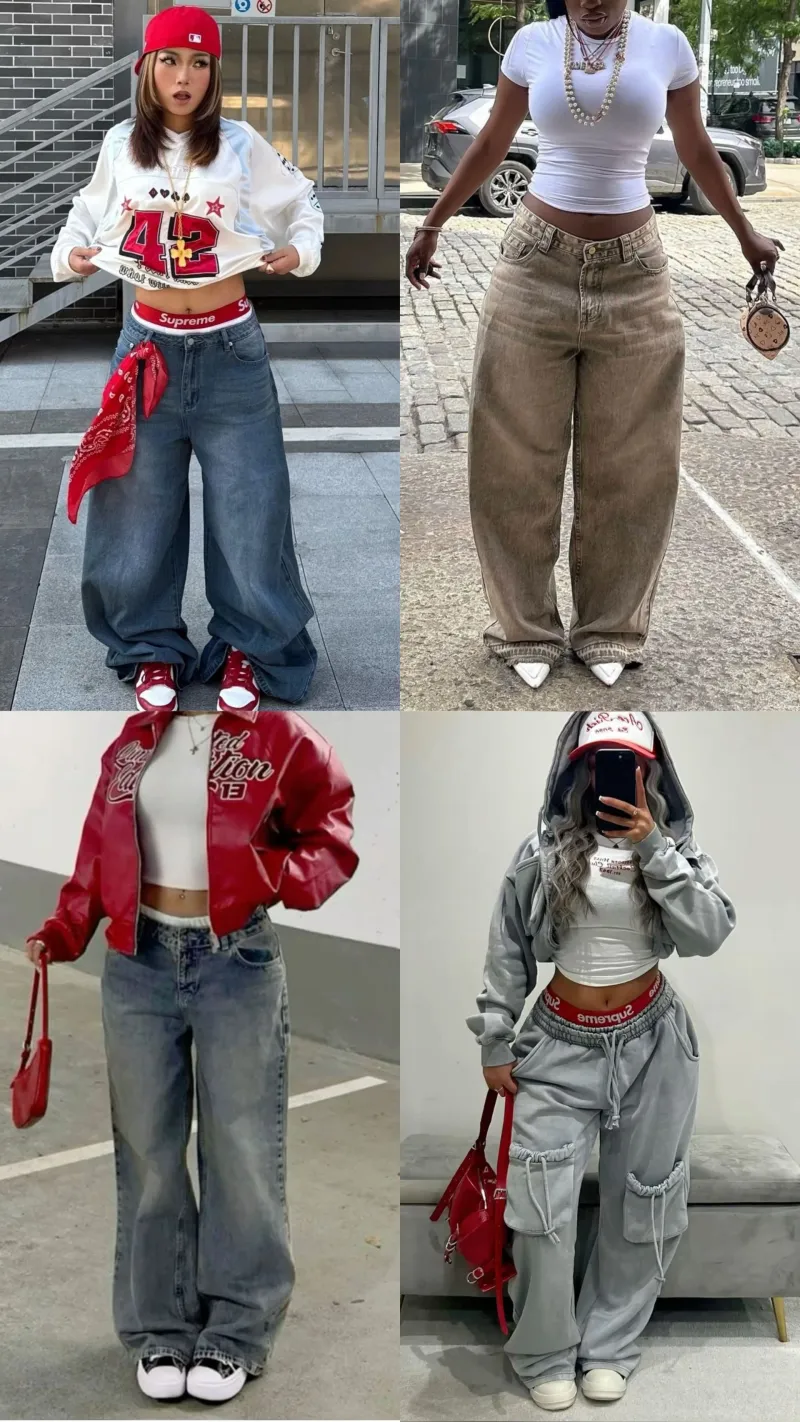
You know the sequence. A parcel lands, the hoodie gets tried on, the mirror gets wiped, and the fit pic goes up before the tags are even in the bin. Then come the saves, the comments, the ‘where’s the jacket from?’ replies. It feels good. It is good — mostly. But somewhere between the first compliment and the next drop reminder, a quiet shift can happen. The post stops being a record of what you wear and starts being a prompt for what you buy next.
That’s the fit-pic feedback loop. It’s not a conspiracy and it’s not a moral failing. It’s just what happens when UK streetwear’s social side — the haul videos, the ‘copped’ captions, the group-chat screenshots — gets wired into platforms that make money from keeping us in a buying mood. The question for 2026 isn’t whether we should post our outfits. It’s whether we can post them without letting the feed turn every compliment into a checkout nudge.
The Little Dopamine Queue
A fit pic does several jobs at once. It says ‘I’m here’, it marks a moment, and it signals taste to a community that speaks in silhouettes, fabrics and slightly unhinged layering. That’s genuinely valuable. Streetwear has always been social — it lived on football terraces, record-shop queues and market stalls long before it lived on Instagram. Posting is just the latest version of showing your mates what you found.
The tricky part is that the reward arrives after the purchase. You buy, you post, you get engagement. Do that often enough and the brain starts to link the two: new gear equals social warmth. Platforms are very good at noticing that pattern. They serve you more drops, more hauls, more ‘you might also like’ carousels. Before long, the feed feels like a queue of things you haven’t bought yet, and your own grid starts to look like a receipt wall.
When a Compliment Becomes a Shopping Prompt
‘Where did you get that?’ is one of the nicest questions you can get on a fit pic. It’s also a shopping prompt. On Depop, Vinted and TikTok Shop, the journey from admiring a fit to buying something similar can be a few taps. Brands know this, which is why reposting customer photos is such a powerful marketing move. It’s not evil — it’s just very effective.
The problem isn’t that people ask. The problem is when your own posting habit starts to feel like a performance of spending. If every outfit needs a new piece to be postable, the loop has flipped. You’re no longer documenting style; you’re documenting acquisitions. And that gets expensive, both financially and in the quieter sense of always feeling one drop behind.
The Quiet Maths of a Fit-Pic Habit
Try a simple test before the next post. Would you wear this outfit if nobody could see it? Not in a bleak way — just honestly. If the answer is yes, post it. If the answer is ‘only if it gets a reaction’, maybe the outfit isn’t the issue. The feed is.
Another test: cost per wear versus cost per post. A jacket that gets worn all winter is good value even if it cost a fair bit. A jacket that gets worn once for a photo and then lives on a chair is expensive no matter how many likes it got. That’s not about shame. It’s about noticing what your wardrobe is actually doing.
Keep Posting, Change the Brief
The guilt-free answer isn’t to delete your account and move to a cabin. It’s to change what the post is for. Here are a few ways to keep the social side of streetwear without letting it become a shopping treadmill:
- Repeat outfits on purpose. Run a wear-it-again week. Post the same hoodie three ways. Normalise the idea that a fit pic can be a rerun, not a reveal.
- Caption the styling, not the spend. Talk about fit, fabric, repairs, alterations, or the charity shop find. Give the algorithm something other than ‘new’ to reward.
- Use a 72-hour rule before tagging or asking. If you see a fit you love, save it and wait three days. If you still want to know where it’s from, ask then. Most impulse links go cold.
- Turn off shopping notifications. Keep the feed for inspiration, not alerts. A saved folder is not a basket.
- Follow repairers, thrifters and restylers. Curate a feed that shows what clothes can do after purchase, not just what they look like before.
- Try a fit-pic amnesty. Post an old favourite. Post a repair. Post the same trainers you’ve worn for two years. Let the grid show longevity as well as newness.
- Comment differently. Ask ‘how would you restyle this?’ instead of ‘link?’ It keeps the conversation on style, not supply.
The Feed Isn’t a Mirror
It’s tempting to think the algorithm just reflects what we already like. In reality, it amplifies. It takes a small preference — a love of cargo trousers, say — and turns it into a wall of cargo trousers, each one slightly newer than the last. That doesn’t mean you’re weak for wanting them. It means the environment is designed to make wanting feel normal.
So the loop is not destiny. You can post your fits, enjoy the community, and still keep a bit of distance between the photo and the purchase. The best fit pic is the one you’d still wear if the Wi-Fi died. Post the fit. Just don’t let the post decide the next cop. That’s the Guilty Clothes version of a feedback loop: style in, style out, no guilt trip required.