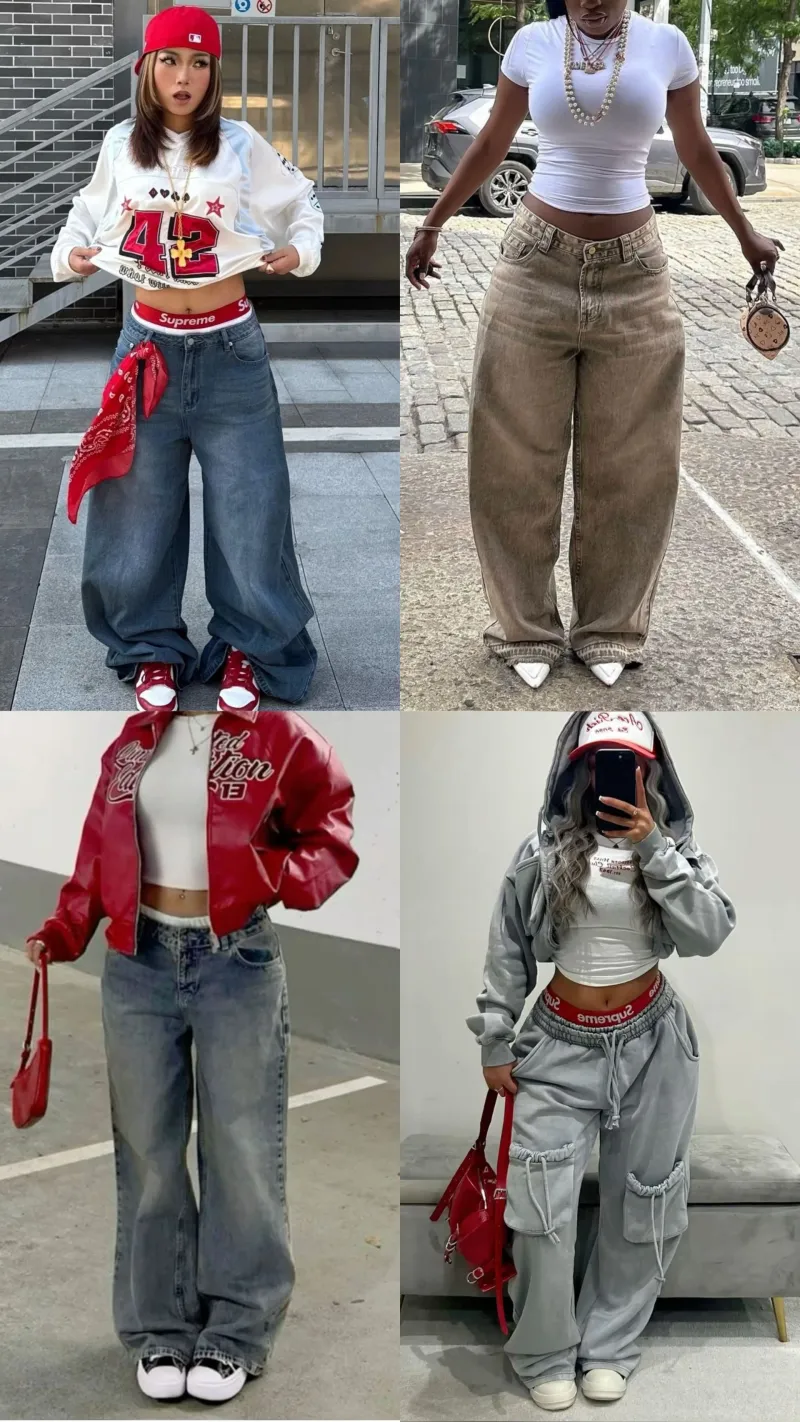
Boxed In: The UK Streetwear Blind Bundle Audit
The mystery box has always been a bit of a con in a nice jumper. You pay £45, you get a parcel, and somewhere inside is the possibility of something brilliant. Or a sleeveless hoodie in a colour that makes you look like a highlighter. In 2026, UK streetwear has leaned into the format hard: blind bundles, lucky-dip rails, ‘surprise surplus’ drops. They are marketed as playful, circular and a way to clear stock without the deadstock shame. Sometimes they are all three. Often they are a raffle with a postage label.
That does not mean every bundle is a scam. A good one can be a genuinely useful way to move past-season stock, sample pieces or one-off leftovers without dumping them in a landfill or flogging them through a murky resale account. The problem is that ‘surprise’ is doing a lot of heavy lifting. It can hide bad sizing, weak quality, duplicate items and a business model that depends on you buying more than you need. So before you get giddy about the unboxing, put the bundle through a proper audit.
The mechanics: how a lucky dip becomes a sales channel
Most blind bundles work on a simple promise: pay less than the headline value, receive a set number of items, accept that you cannot choose what lands. The brand gets cash upfront and clears stock without discounting individual pieces to death. You get the thrill of not knowing. That thrill is the product.
And that is where the drop-culture overlap gets slippery. Variable rewards are powerful. The same bit of your brain that lights up when a raffle result lands is the bit that lights up when a parcel arrives with a possible grail inside. Brands know this. ‘Worth over £200’ sounds like a favour, but it is often calculated on original RRPs that nobody has paid since the first drop. If the bundle is stuffed with items that were already reduced, the maths is less generous than it looks.
A legitimate bundle should still feel like a transaction, not a punt. You should know roughly what category mix you are getting, whether sizing is guaranteed, and what happens if the contents are faulty or laughably off-brief. If the only detail is ‘trust us’, that is not mystique. That is a lack of information.
Surprise is not a sizing strategy
Clothing is not a vinyl record or a scented candle. Fit matters. A blind bundle that cannot guarantee your size is asking you to absorb the risk of a garment that may never leave the wardrobe. Some brands offer a size range or a preferred fit, which helps. Others simply say ‘mixed sizes’ and hope for the best. That is how a bundle becomes a donation pile with extra steps.
Ask yourself a blunt question: if the parcel contains one item that fits brilliantly and two that do not, was it worth the money? If the answer depends on resale, swapping or gifting, the bundle is not really solving your wardrobe problem. It is creating admin.
This is especially true for UK shoppers who are already trying to buy less and wear more. A surprise bundle can be a fun one-off, but it should not become a monthly subscription to someone else’s stockroom. The guilt-free version of a lucky dip is one where the surprise is in the design, not in whether the thing will fit.
The ethics of ‘surprise’ stock
There is a real circularity argument for bundles. Deadstock, samples and end-of-line pieces need a route out. A bundle can be that route, and it can be less wasteful than destroying stock or quietly shipping it abroad. But ‘surplus’ is not automatically sustainable. If a brand overproduced in the first place, a mystery box can become a convenient way to monetise the mistake while calling it circular.
Look for honesty about what is inside and why it exists. A label that says ‘these are past-season samples, limited size run, no returns on fit’ is being clear. A label that says ‘mystery eco bundle’ with no further detail is using sustainability as a vibe. Those are different things.
Also watch the greenwash vocabulary. ‘Rescued’, ‘rehomed’, ‘circular’ and ‘zero-waste’ are lovely words. They are not proof. A bundle is only genuinely useful if the items are likely to be worn. If the business model relies on you feeling lucky, it is closer to gambling-style overconsumption than circular shopping.
The Guilty Clothes bundle checklist
Before you hand over your card, run through this lot:
- Is sizing guaranteed? If not, can you choose a fit or a size range? ‘Mixed sizes’ is a red flag unless you are buying for swapping or crafting.
- What is the category mix? ‘Three to five items’ is vague. ‘Two tops, one outerwear piece, one accessory’ is useful.
- How is the value calculated? Check whether the ‘worth £200’ figure is based on current selling price or fantasy RRP.
- Can you return faulty items? UK consumer law still protects you if something is faulty, not as described or unfit for purpose. A ‘no returns’ line does not erase those rights.
- Why does this stock exist? Past-season, samples, returns, overproduction? The answer tells you whether you are buying surplus or subsidising bad planning.
- Does the brand limit duplicates? If you buy two bundles, will you get the same hoodie twice? Ask.
- Is there a swap or resale route? A brand that helps you pass on what you do not wear is more convincing than one that vanishes after checkout.
- Would you buy any single item in it at full price? If not, the bundle is probably doing the persuading, not the clothes.
When a bundle is actually circular
The best blind bundles are boring in the right way. They tell you what you are getting, roughly. They guarantee a size. They explain why the stock exists. They price it sensibly. They do not pretend a clearance sale is a climate strategy. And they leave you with something you will actually wear, not a parcel of maybes that ends up on Vinted with ‘unwanted gift’ in the description.
If you are going to dabble, treat it like a drop, not a lottery. Set a budget. Check the T&Cs. Screenshot the size guarantee. And if the whole appeal is the mystery, ask yourself whether you are buying clothes or buying a feeling. There is no shame in either, but only one of them belongs in your wardrobe.
The mystery box can stay. It just needs to stop hiding.