Let the Basket Go Cold: What Three Days of Not Buying the Drop Taught Me
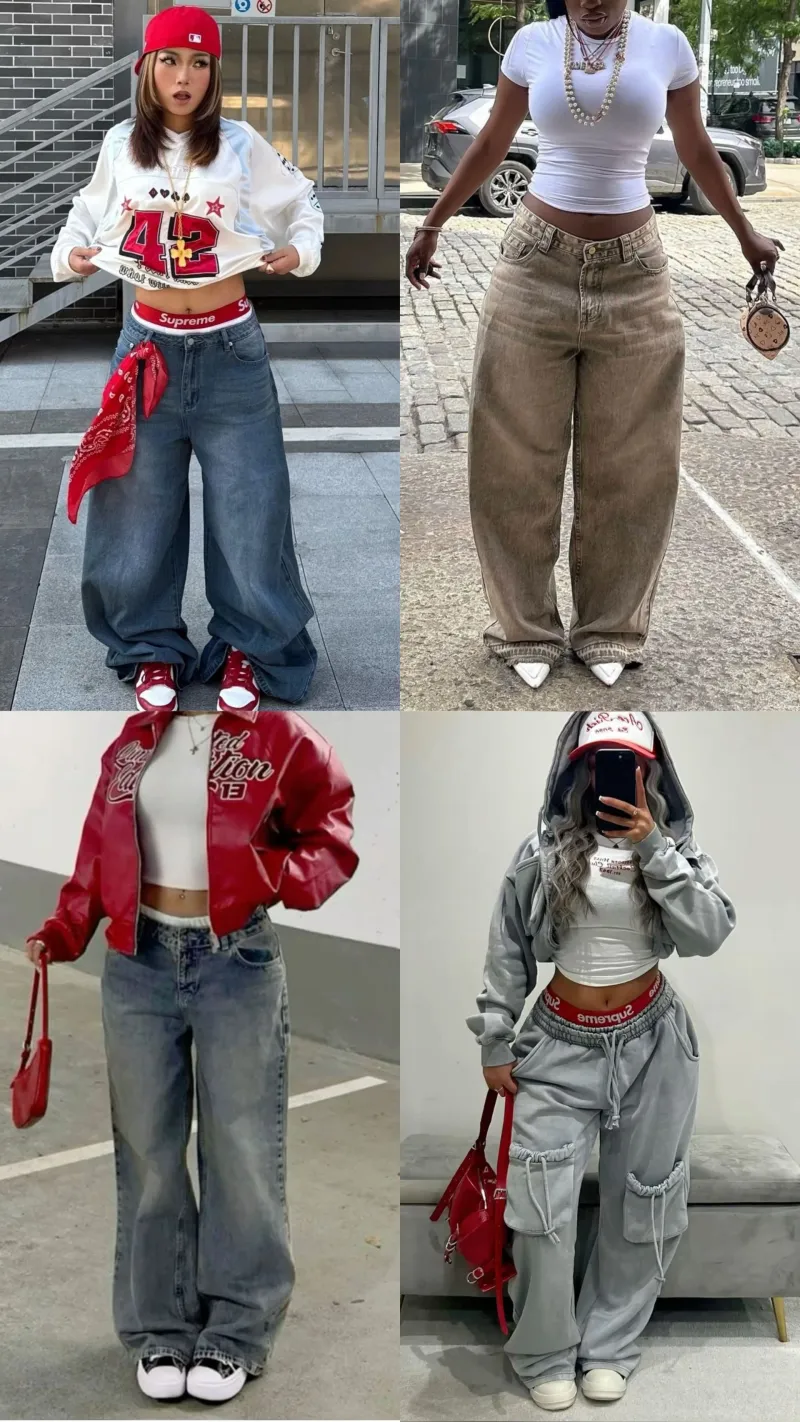
Photo: streetwear shopper checking smartphone outside independent clothing store UK, via i.pinimg.com
It’s 7:02pm on a Thursday in October, and my phone is doing the thing it always does during a drop: counting down, buzzing, telling me I’m one tap away from belonging. There’s a hoodie in my basket from a South London label. It’s £95. The page says 14 left. A little timer suggests my cart will expire if I don’t move. I close the tab and set a 72-hour alarm instead.
That was the rule I set myself for six weeks this autumn: add to basket, walk away, wait three full days before deciding. No sneaky checkouts at midnight. No buying from a reseller to beat the clock. No refreshing the product page every hour like it’s a weather warning. Just a pause.
I logged 12 cart entries across six UK drops between late September and early November 2026. This is not a scientific study; it’s one person with a notes app, a bank balance and a growing suspicion that drop culture is very good at making waiting feel like losing. But the pattern was clear enough to be useful.
The hooks are not subtle. They’re just well-designed.
The first thing I noticed was how many decisions are made for you before you’ve even looked at the garment properly. The countdown timer doesn’t just say when the drop ends; it creates a tiny emergency. The stock meter — 14 left, 7 left, 3 left — turns a browsing session into a race. The free-shipping threshold at £120 makes a £95 hoodie feel unfinished, so you add a £28 cap you didn’t want. The payment plan splits £95 into three payments of £31.66, which sounds less like spending and more like a subscription to being someone else.
Then there’s the timing. Thursday at 7pm is not an accident. It’s after work, before dinner, when your resistance is low and your phone is already in your hand. The Discord pings start at 6:45pm: ‘final call’, ‘low stock’, ‘early access for members’. By 7:03pm, someone on Instagram has already posted a mirror selfie in the thing you’re considering. The message is always the same: everyone else is moving; why aren’t you?
The scarcity is sometimes real — small runs, independent labels, cash flow that doesn’t stretch to endless stock. But even when it’s real, the effect is engineered. A drop is a deadline with a logo on it. And a deadline makes you buy the idea of the piece as much as the piece itself.
What happened to the 12 carts
Of the 12 things I carted, only three survived the full 72 hours as purchases I still felt good about. Five I deleted voluntarily. Four sold out while I waited.
The three that survived were boring in the best way: a heavyweight hoodie from a Manchester label that replaced one with a hole in the cuff, a cap in a colour I actually wear, and a fleece from a Leeds-based imprint that I’d wanted since I saw it in a lookbook in September. I wore all three within a week. None of them needed a countdown timer to convince me.
The five I deleted were more revealing. There was a graphic tee I’d saved because it looked good in a reel, but I couldn’t explain the slogan to myself, let alone anyone else. There was a second hoodie I added because it was £10 off, even though I already have a hoodie I love. There was a pair of trousers in a cut I’ve never worn and probably never will. There was a tote bag — a tote bag — that I convinced myself was ‘useful’ for about 40 minutes. And there was a jacket that was genuinely nice, but £180 nice? Not for me, not this month.
The four sellouts were the interesting ones. Two stung for about ten minutes. One was a cap that I’d convinced myself was the missing piece of an outfit I’d worn twice. The other was a hoodie that I’d seen on someone at a train station and immediately projected a whole personality onto. The other two sellouts felt like a lucky escape. I didn’t need them; I just didn’t want to be the person who missed out.
That’s the FOMO bit, isn’t it? It’s not really about the garment. It’s about the story you tell yourself about the person who would have bought it. The 72-hour pause didn’t kill my desire; it just gave me enough time to notice which desires were actually mine.
The 72-hour rulebook I’m keeping for 2026
I’m not anti-drop. Guilty Clothes isn’t anti-drop. Streetwear without the guilt trip doesn’t mean pretending scarcity doesn’t exist; it means refusing to let a countdown timer do your thinking for you. So here’s the rulebook I’m carrying into 2026.
- Screenshot, don’t checkout. A cart is a promise to a shop. A screenshot is a note to yourself. Save the image, the price and the size, then close the tab.
- Set a 72-hour alarm and actually leave it. No ‘just checking’ at hour 12. If it’s meant to be, it’ll still be there, or it’ll restock, or you’ll find it on Vinted or Depop in a month.
- Write one sentence: ‘I want this because…’ If the sentence is ‘because it’s about to sell out’, delete it.
- Do the wardrobe maths. Would I wear this three times in the next fortnight? If not, it’s a costume, not a wardrobe staple.
- Cost per wear, not cost per drop. A £95 hoodie worn 40 times is £2.37 a wear. A £95 hoodie worn five times is £19 a wear. The maths doesn’t care about the hype.
- Keep an exception list. Replacements for worn-out basics, repairs, and one grail from a label you genuinely love. Everything else waits.
- Mute the urgency. Turn off drop notifications for the weekend. Unfollow accounts that only post stock alerts. The algorithm doesn’t need your cortisol.
- Shop the restock, sample sale or secondhand first. If it sold out, that’s data, not a tragedy. The resale market is full of people who bought on impulse.
- Never checkout after 9pm. Late-night baskets are where guilt goes to multiply. Sleep is free; the hoodie will still be there tomorrow, or it won’t, and either way you’ll survive.
The 72-hour rule isn’t a moral test. It’s a pause button. Sometimes you’ll press it and still buy the thing — and that’s fine, as long as you can explain why without mentioning the timer. The point isn’t to buy less for the sake of it. It’s to buy the stuff you’ll actually wear, from labels you actually want to support, without the hangover of a panic purchase.
After six weeks, my basket is lighter and my wardrobe is more honest. I missed four things. I regret none of them. And the next time a drop lands at 7pm on a Thursday, I’ll add it to the basket, close the tab, and let the cart go cold. That’s not a flex. It’s just a better way to shop.