Charity Shop Grail Hunt: Which UK Chains Actually Deliver for Streetwear?
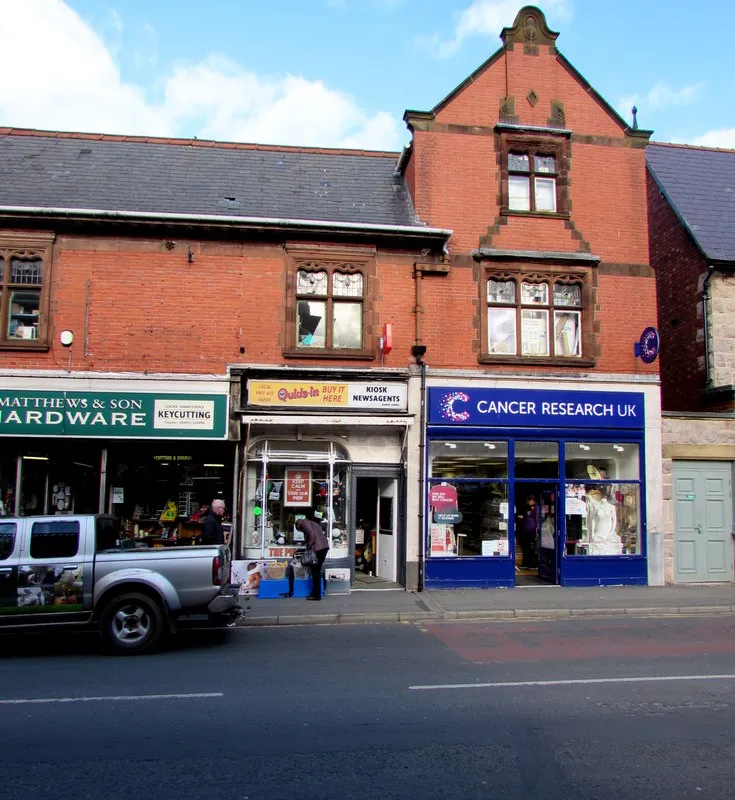
Photo: Jaggery , CC BY-SA 2.0, via Wikimedia Commons
Charity shops are the most underrated streetwear channel in Britain. Not because every rail is hiding a deadstock Palace hoodie — it isn’t — but because the maths works: £20, a Saturday, and a route that takes you through the right chains in the right order. We ranked the big UK names on stock, pricing, regional quirks and genuine streetwear potential. Oxfam didn’t win. Neither did the shop with the nicest window display.
How we ranked them
We looked at four things: the odds of finding a wearable streetwear piece, the price-to-quality ratio, how often the stock turns over, and whether the shop understands what it’s selling. A chain that prices every faded sweatshirt at £30 because it says ‘vintage’ is not the same as a hospice shop that hasn’t cottoned on to Depop yet. We’re judging the whole chain, not one lucky branch.
The leaderboard
1. Traid
Traid wins because it treats clothing like a resource, not a costume. The stock is curated without being precious, the pricing is sensible, and the London and Brighton branches regularly turn up solid workwear, Japanese basics and good-condition sportswear. You’re more likely to find a clean Uniqlo U tee or a decent Carhartt shirt here than a rare grail, but the hit rate is high. It’s also one of the few chains where the ‘vintage’ rail doesn’t feel like a tax on people who don’t know better.
2. Local hospice shops
This is the underrated one. Hospice shops in affluent suburbs are goldmines because they receive house-clearance donations from people who bought well in the first place. You’ll find Barbour jackets, merino knits, leather boots and the occasional designer piece priced at £8 because nobody in the back room knows what it is. The stock is unpredictable, which is the point. Go early, go often, and be polite to the volunteers. They’re the gatekeepers.
3. Sue Ryder
Sue Ryder is the quiet overachiever. The shops are well organised, the pricing is fair, and there’s usually a decent menswear section that hasn’t been picked clean. It’s a good chain for basics: denim, flannel, knitwear and the kind of sturdy outerwear that works with streetwear if you style it right. You won’t always find a headline piece, but you’ll rarely leave empty-handed.
4. Barnardo’s
Barnardo’s is hit-and-miss, but the misses are getting less frequent. Some branches are genuinely good for Y2K sportswear and kids’ streetwear, especially in cities with a strong student population. The pricing can be optimistic on branded stuff, but the volume is there. If you’re hunting for a vintage Umbro training top or a chunky knit, it’s worth a look.
5. Oxfam
Oxfam didn’t win because Oxfam has learned too much. The chain has a sophisticated understanding of value, which means anything with a whiff of streetwear gets priced accordingly. You can still find good books and the occasional treasure, but the days of pulling a £5 Burberry scarf from a random branch are mostly gone. The online shop is even tougher. It’s not bad — it’s just not the guilt-free bargain hunt it once was.
What labels to scan for
Look for heavyweight cotton, made-in-England labels, and brands with real staying power. Champion, Umbro, Adidas Originals and Nike are all worth checking if the condition is good. Workwear is your friend: Carhartt, Dickies and Stan Ray turn up regularly and wear well. British heritage labels like Barbour, Fred Perry and Burberry are worth a scan, though fakes exist. Japanese basics from Uniqlo are a solid find. Skip anything from Shein or Temu — it’s not worth the rail space.
Check the seams, the collar and the cuffs before you get excited. A faded sweatshirt with a busted hem is not a grail. It’s a rag with a story.
How to dodge the ‘vintage’ tax
If the price tag has been rewritten in marker and the word ‘curated’ appears on a chalkboard, you’re not in a charity shop anymore. You’re in a boutique with a donation bin. Walk away from anything priced over £25 unless it’s genuinely special. A faded sweatshirt is not special. A 1990s Made in England Dr Martens boot in your size is special.
Also, ignore the ‘vintage’ rail if it’s just a rack of £40 flannel shirts. The real finds are usually in the ordinary rails, mixed in with the school uniforms and novelty tea towels.
A weekend route that actually works
Start early in a wealthy suburb with a local hospice shop. That’s where the house-clearance donations land. Then hit Traid or Sue Ryder in a city centre, followed by Barnardo’s. Leave Oxfam for last — it’s fine for a browse, but don’t build your day around it. Take a tote, wear shoes you can slip off, and carry cash for the ones that don’t take card. If you’re in London, try the cluster around Deptford and Peckham. In Manchester, head to the Northern Quarter and Chorlton. In Bristol, Gloucester Road is still the one.
The guilt-free bit
The point isn’t to buy more. It’s to buy better, or not at all. A charity shop haul is only guilt-free if you actually wear the stuff. So try things on, check the mirror, and ask yourself if you’d pick it up in a normal shop. If the answer is no, put it back. The best find is the one you’ll still be wearing in 2027.