The Resole Truth: What UK Sneaker Repair Can Actually Save — and What It Can’t
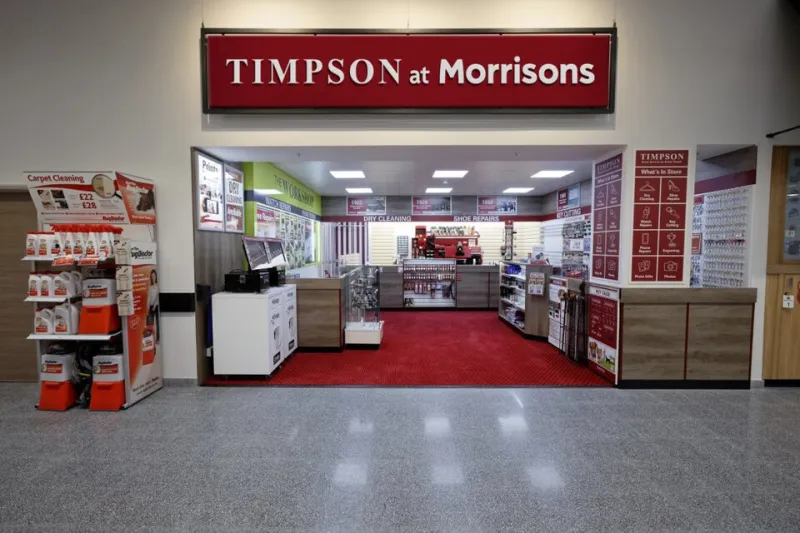
Photo: Hyde65, CC BY-SA 4.0, via Wikimedia Commons
Walk into any UK city centre and you’ll find the same scene: a cobbler’s window full of heels and hobnailed boots, a queue of trainers at the counter, and a handwritten sign saying ‘sole reglue from £30’. The sneaker repair scene has moved from novelty to normal. In 2026, specialist restorers advertise mail-in services on Instagram, high-street cobblers are learning to handle mesh and foam, and cleaning brands have convinced us that a deep clean is a form of maintenance rather than a treat. Good. But the boom deserves a harder look. Repair is only a sustainability story if it changes what you buy next. Otherwise it’s just a valet service for overconsumption.
The repair shop is having a moment — but not for the reason you think
The UK’s sneaker repair scene is less a single industry than a patchwork. You’ve got old-school cobblers in London, Manchester, Leeds and Glasgow who can stitch a seam in their sleep but might raise an eyebrow at a foam midsole. You’ve got specialist sneaker restorers who know their way around suede erasers, midsole paint and sole donors. And you’ve got the cleaning end of the market, where a £30 deep clean and a de-yellowing treatment can make a pair look like it’s had a quiet word with a time machine.
That’s all useful. It’s also a business. Restorers are not running a charity for your wardrobe, and they shouldn’t be expected to. The question for anyone claiming a guilt-free streetwear habit is simpler: is the repair doing real work, or is it a ritual that lets you keep buying more pairs without changing anything?
What a UK repair actually costs
Prices vary wildly, so treat these as ballpark figures rather than gospel. A straightforward sole reglue at a local cobbler can sit around £25–£45. Stitching a blown seam or repairing a heel drag might be £15–£30. A full resole — the proper job, not a smear of glue — can run £70–£120 depending on the sole unit and whether a donor pair is involved. Specialist deep cleans are often £20–£40, midsole repainting £40–£80, and leather or suede restoration £60–£150. Add postage if you’re using a mail-in restorer: £5–£10 each way is common.
Against that, a solid replacement pair of UK streetwear trainers might cost £90–£180. So the maths isn’t automatically in repair’s favour. If a pair needs a full resole, a new insole and a deep clean, you can easily spend more than half the price of a new pair — sometimes more. That doesn’t make repair wrong. It makes it a decision, not a reflex.
Fixable: the damage that earns a second life
Some damage is genuinely worth fixing. Sole separation around the toe or heel is usually a straightforward reglue if the foam hasn’t crumbled. Worn heel drag can be built back up or patched. Blown stitching at the eyestay or heel collar is bread and butter for a competent cobbler. Scuffs, faded suede and discoloured laces are cosmetic and often respond well to a proper clean. A collapsed insole can be replaced. Even a small tear in mesh or canvas can be stabilised if it’s not right on a flex point.
The key is structure. If the upper is sound, the midsole is intact and the outsole has life left, repair is usually sensible. If you love the pair and they fit well, a £60 repair that buys another 18 months of wear is a decent deal — environmentally and financially. That’s the version of sneaker repair that deserves the word ‘sustainable’.
Write-off: when repair is theatre
Then there are the pairs that should be let go. A cracked polyurethane midsole is the classic heartbreaker: that crumbly, hydrolysed foam can’t be glued back into trustworthiness. If the sole unit is crumbling, delaminating across the whole forefoot or breaking up at the flex point, you’re often looking at a donor sole, a specialist rebuild and a bill that makes no sense. A torn upper right where your foot bends is another bad sign. Stretched leather that no longer hugs the foot, mould in the foam, or a smell that has moved into the midsole are all write-offs in practice, even if they’re technically ‘repairable’.
A good restorer will tell you this. A great one will tell you before you’ve paid for return postage. If you’re being sold a full restoration on a pair with a cracked midsole and no structural integrity, you’re not buying sustainability. You’re buying a nice before-and-after photo.
The guilt loophole
Here’s the uncomfortable bit. Sneaker repair can become a guilt-free excuse to keep buying more pairs. You repair one beat-up pair, feel virtuous, and then buy two new drops because you’ve ‘earned’ it. That’s not circular fashion. That’s a cleaner conscience bolted onto the same consumption pattern.
A repair only counts if it displaces a purchase. If fixing your everyday pair means you don’t buy a replacement this season, that’s real. If it means you keep a pair in rotation while still adding three more to the rack, the environmental benefit is thin. Repair is not a carbon credit. It’s maintenance. And maintenance works best when it’s part of a smaller, slower rotation — not a fig leaf for a bigger one.
A decision tree for the pair by your door
Ask four questions. First: is the upper structurally sound? If yes, keep going. Second: is the midsole intact, or is it cracking and crumbling? If it’s crumbling, walk away. Third: what’s the repair quote as a percentage of a replacement pair you’d actually be happy to wear? If it’s over half, be honest about whether sentiment is doing the maths. Fourth: if you repair these, will you actually wear them for another year — or will they go back in the cupboard while you shop the next drop?
If the answers point to repair, use a local cobbler for basic stitching and gluing, and a specialist restorer for suede, midsole painting or sole swaps. Ask for photos of the damage before work starts. Get a quote in writing. And don’t pay for a full restoration on a pair that’s already structurally spent.
The verdict: repair as discipline, not alibi
The UK sneaker repair scene is a genuine asset for anyone trying to wear their streetwear harder and buy less. Cobblers, restorers and cleaners are quietly extending the life of the most abused essential in the wardrobe. That’s worth celebrating. But the guilt-free version of repair isn’t the one that lets you keep shopping. It’s the one that makes you pause before the next drop and ask whether the pair you already own deserves another year instead.
A resole can be a rescue. It can also be a loophole. The difference isn’t in the glue. It’s in what you do next.